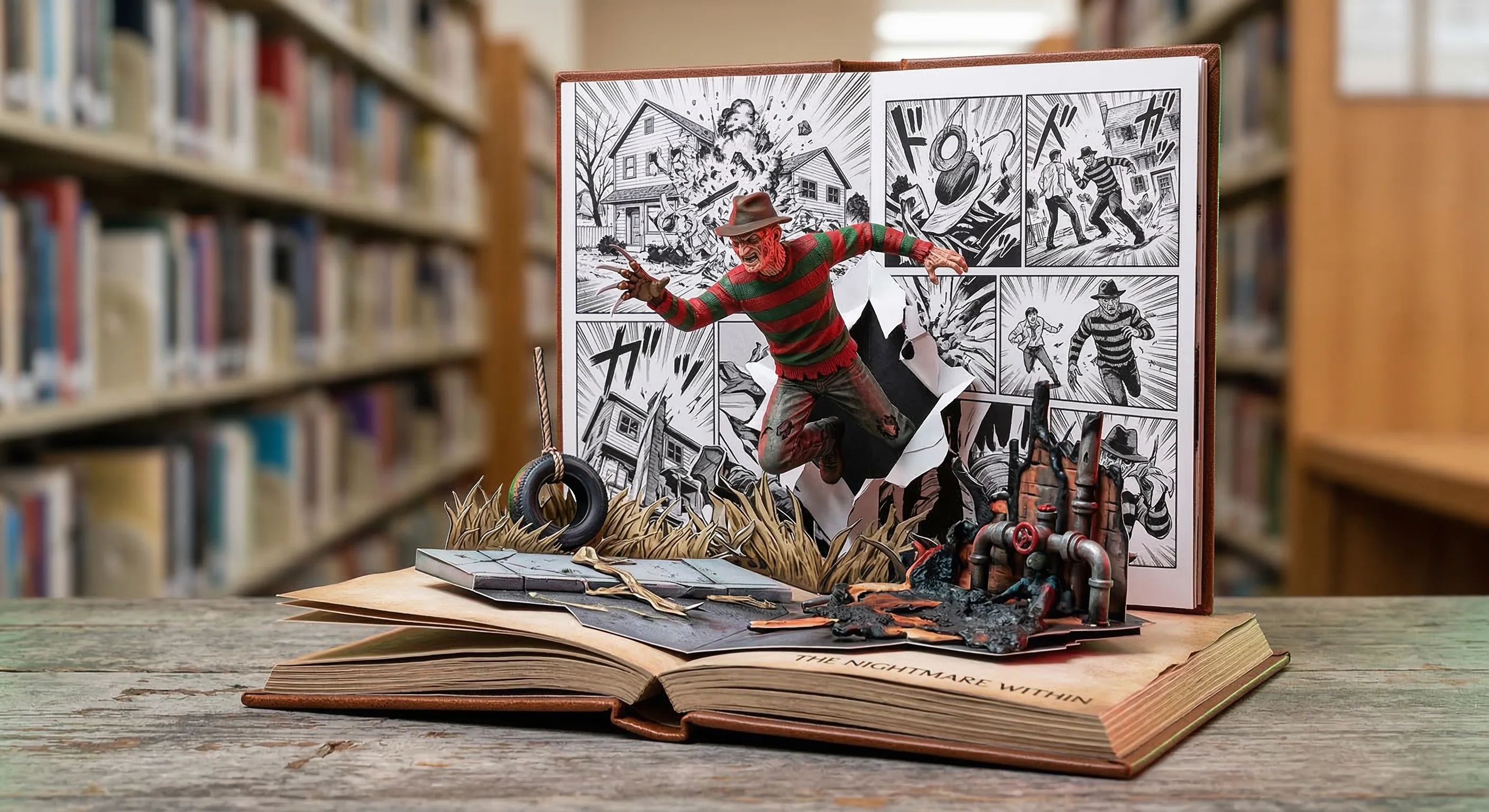
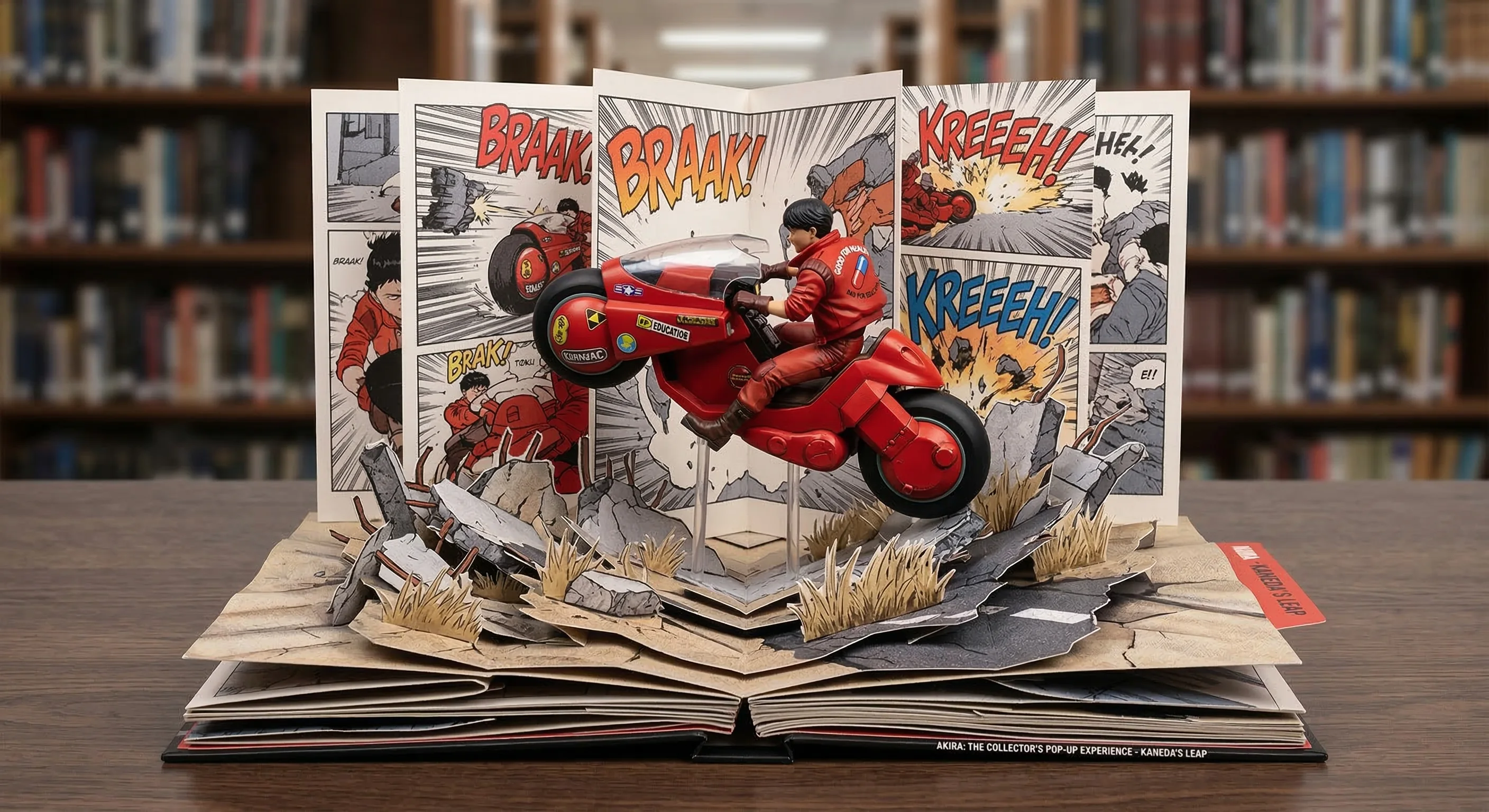
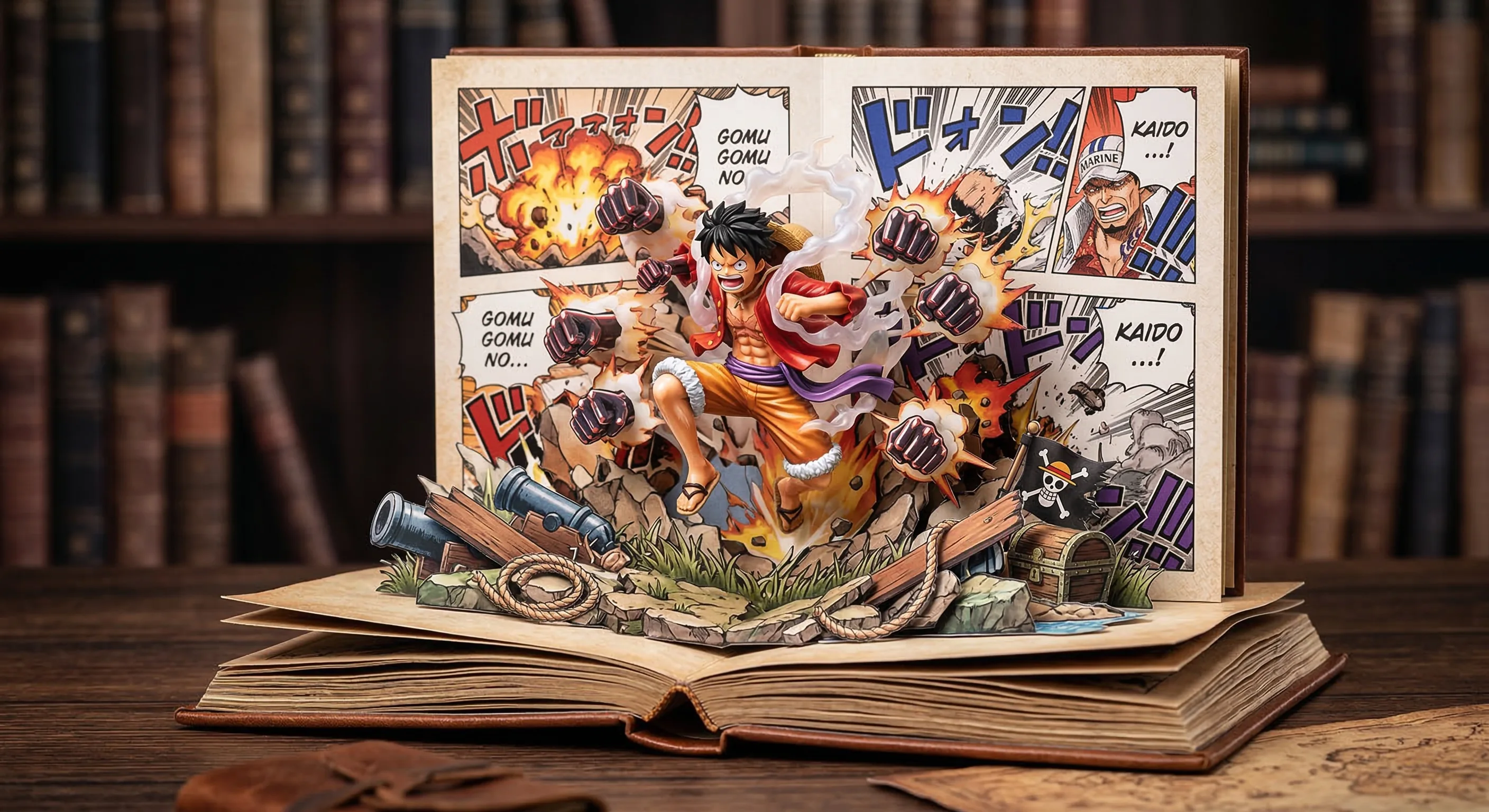
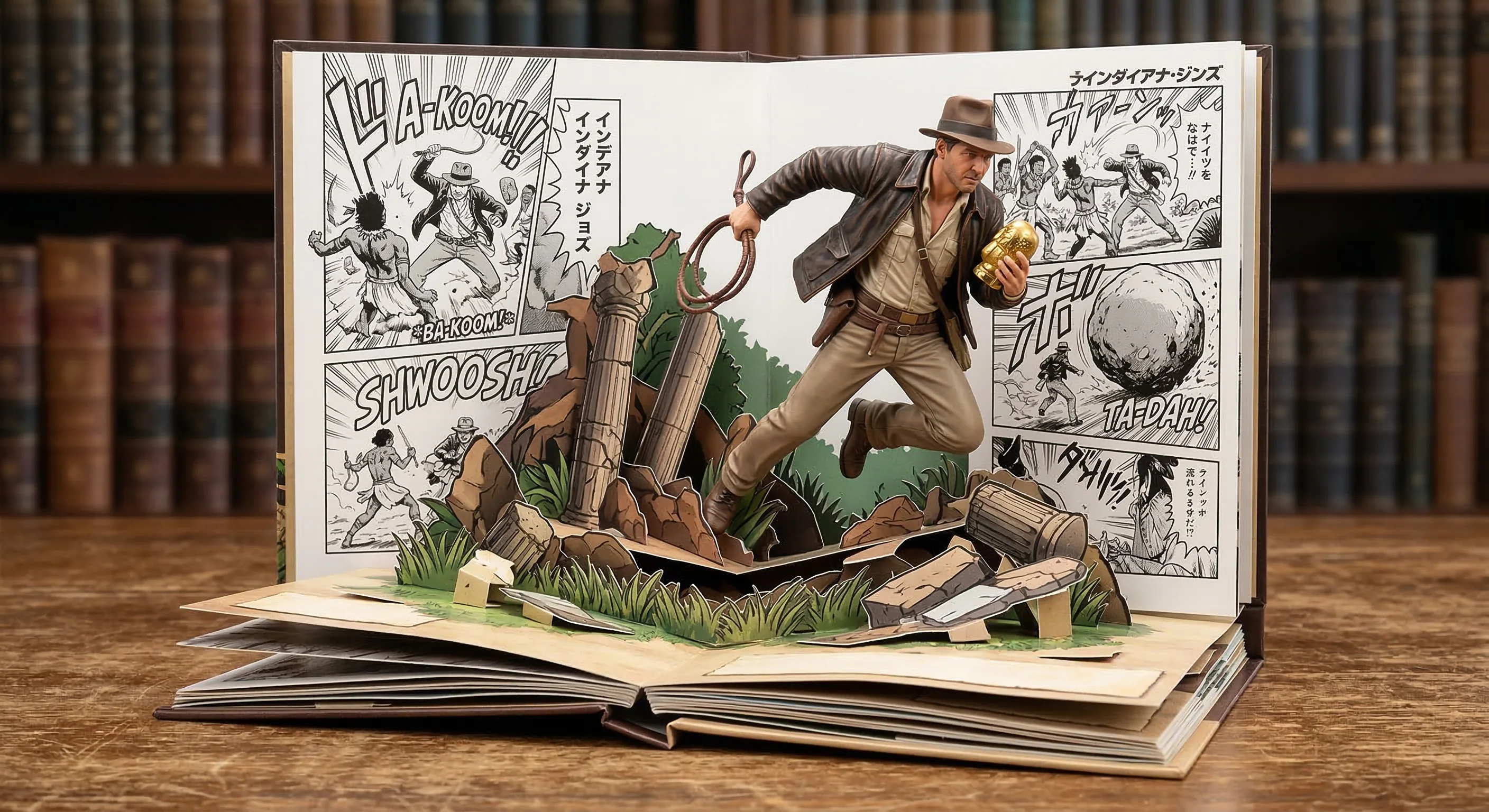
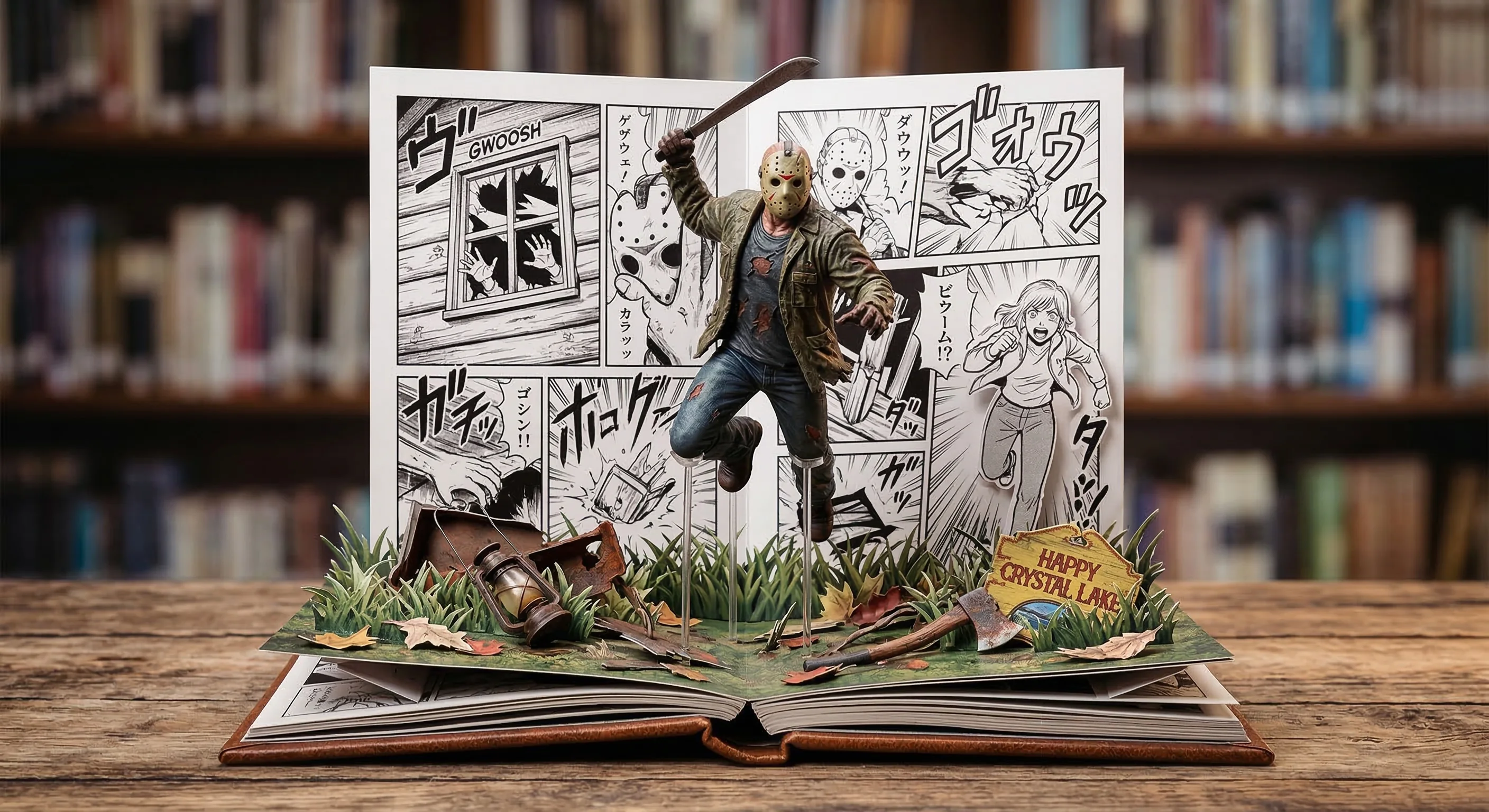
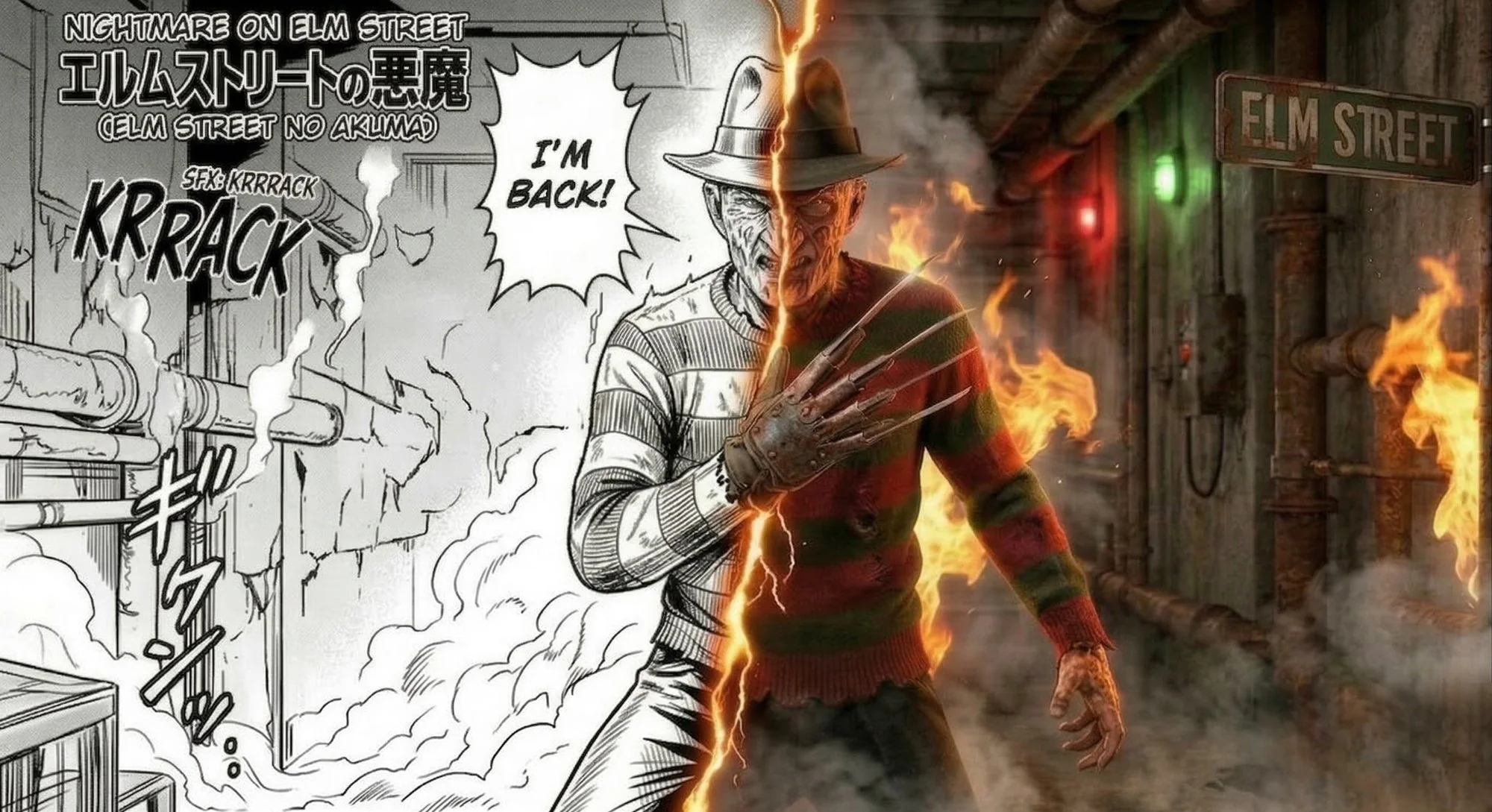
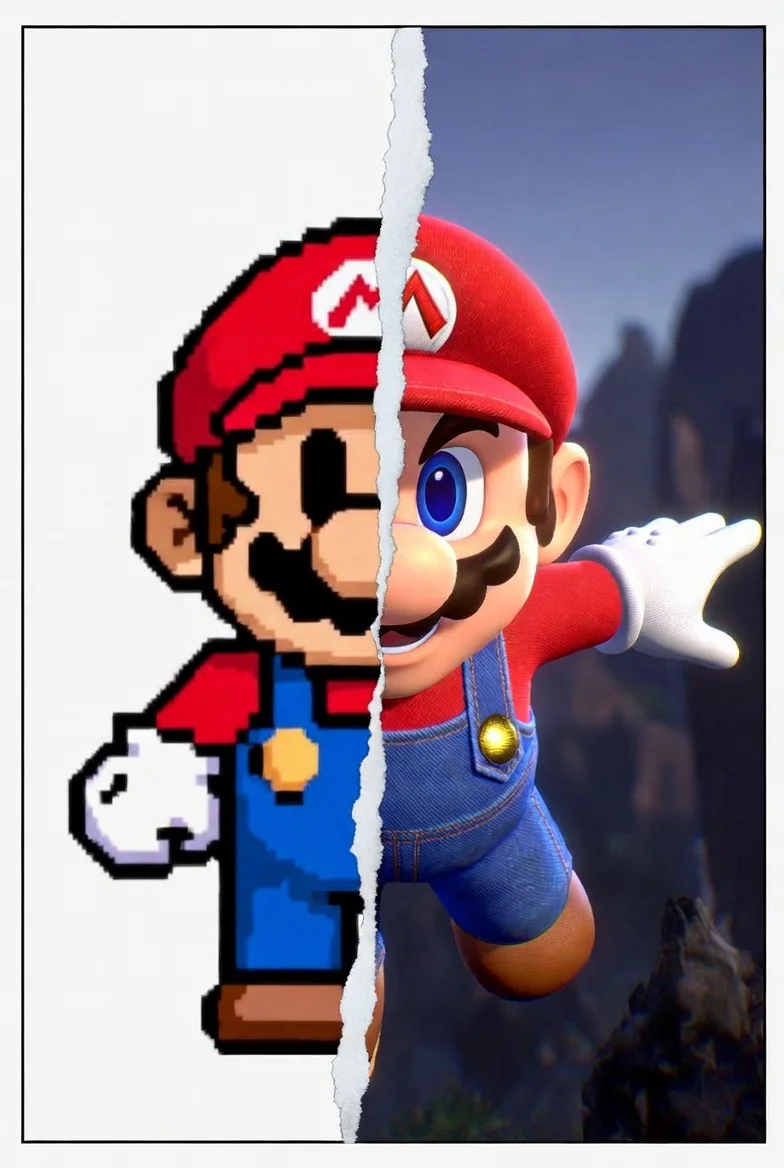
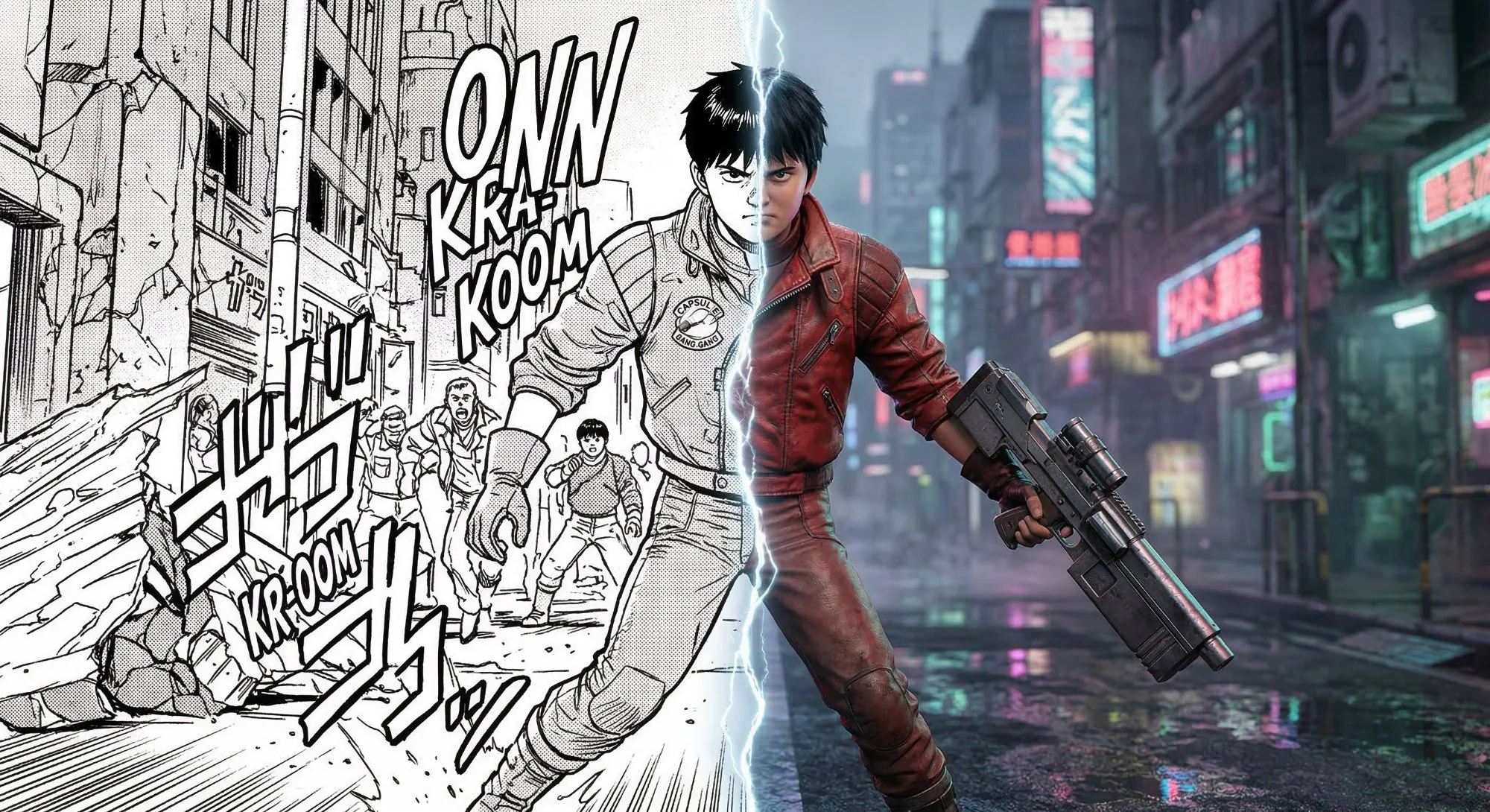
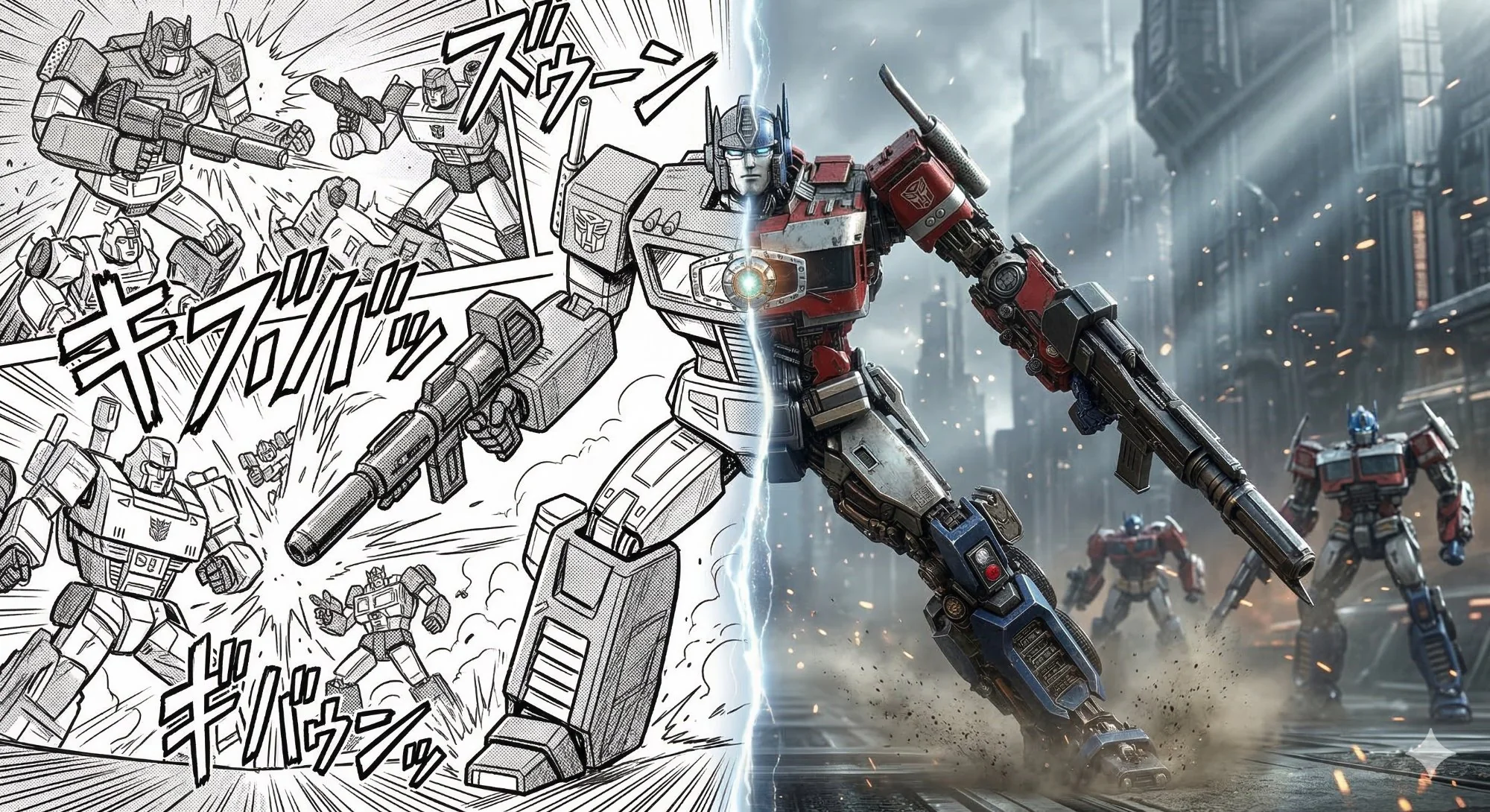
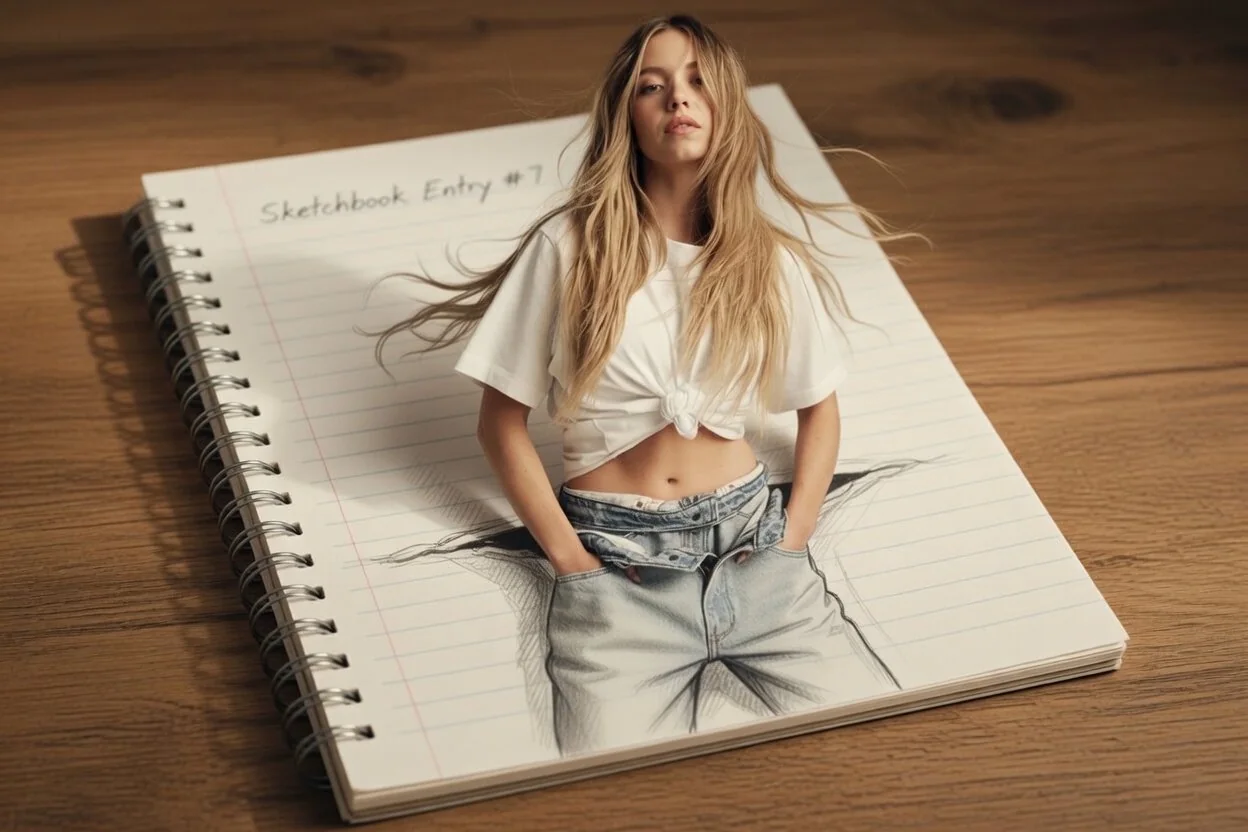
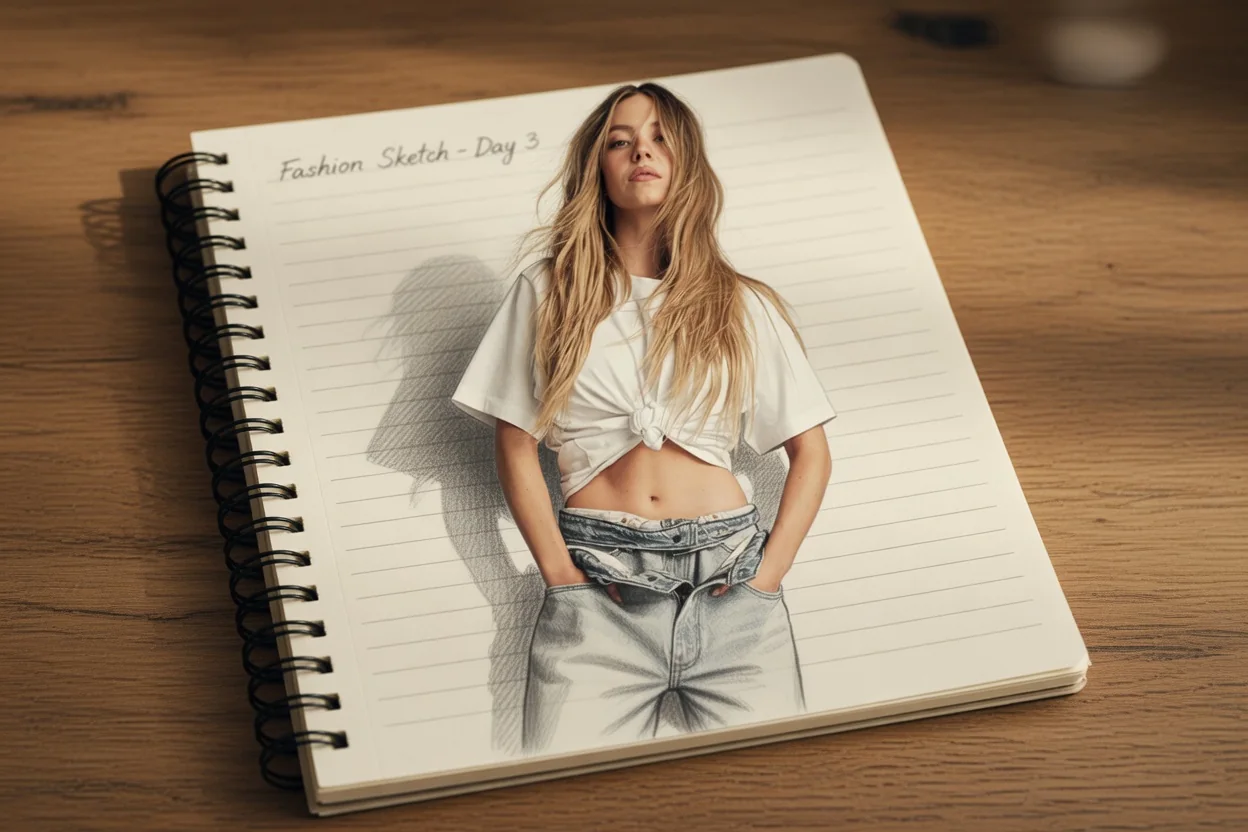
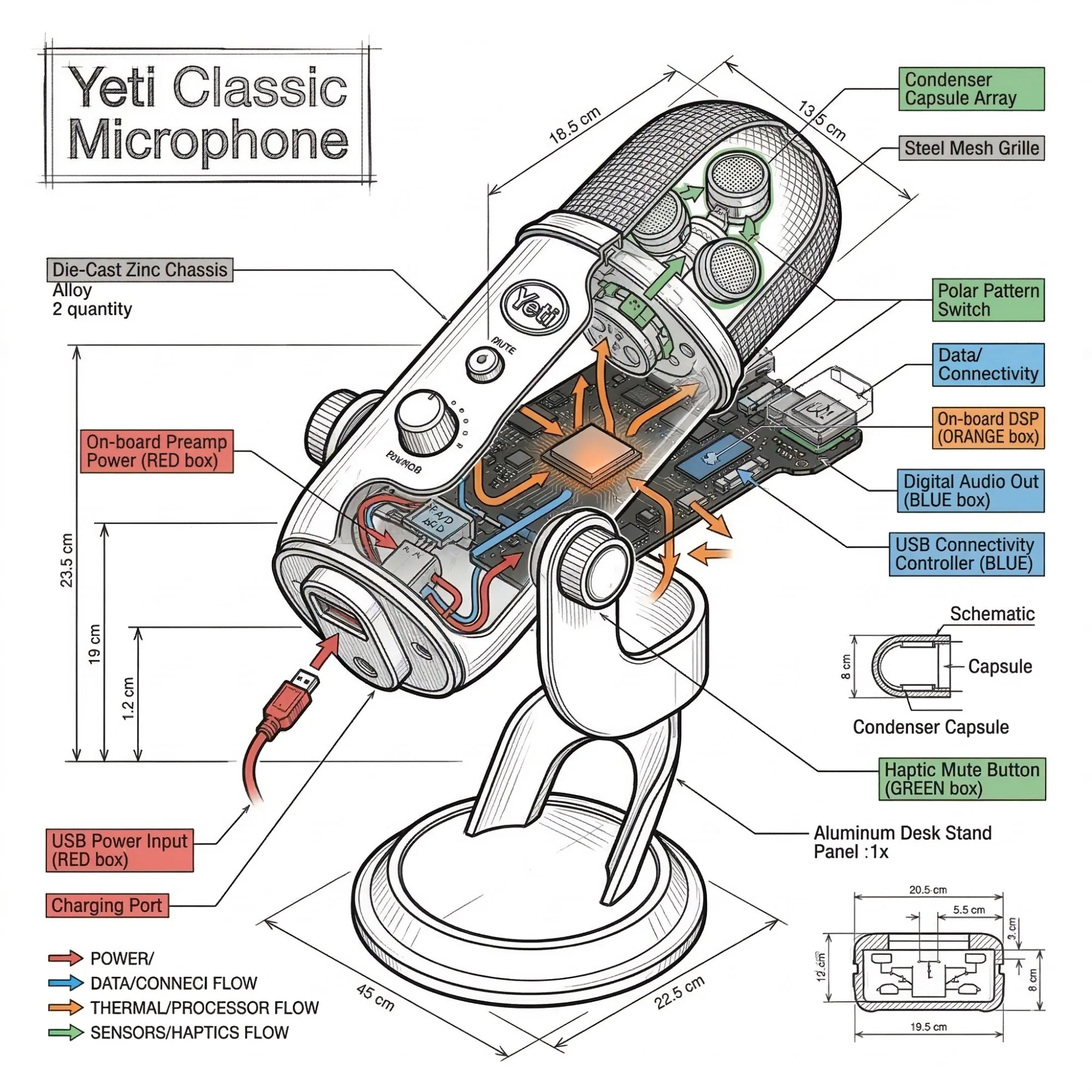
The founding series. Each piece fuses a flat manga backplate with a fully sculptural 3D figure — a collision between the page and the physical object, lit as toy photography.
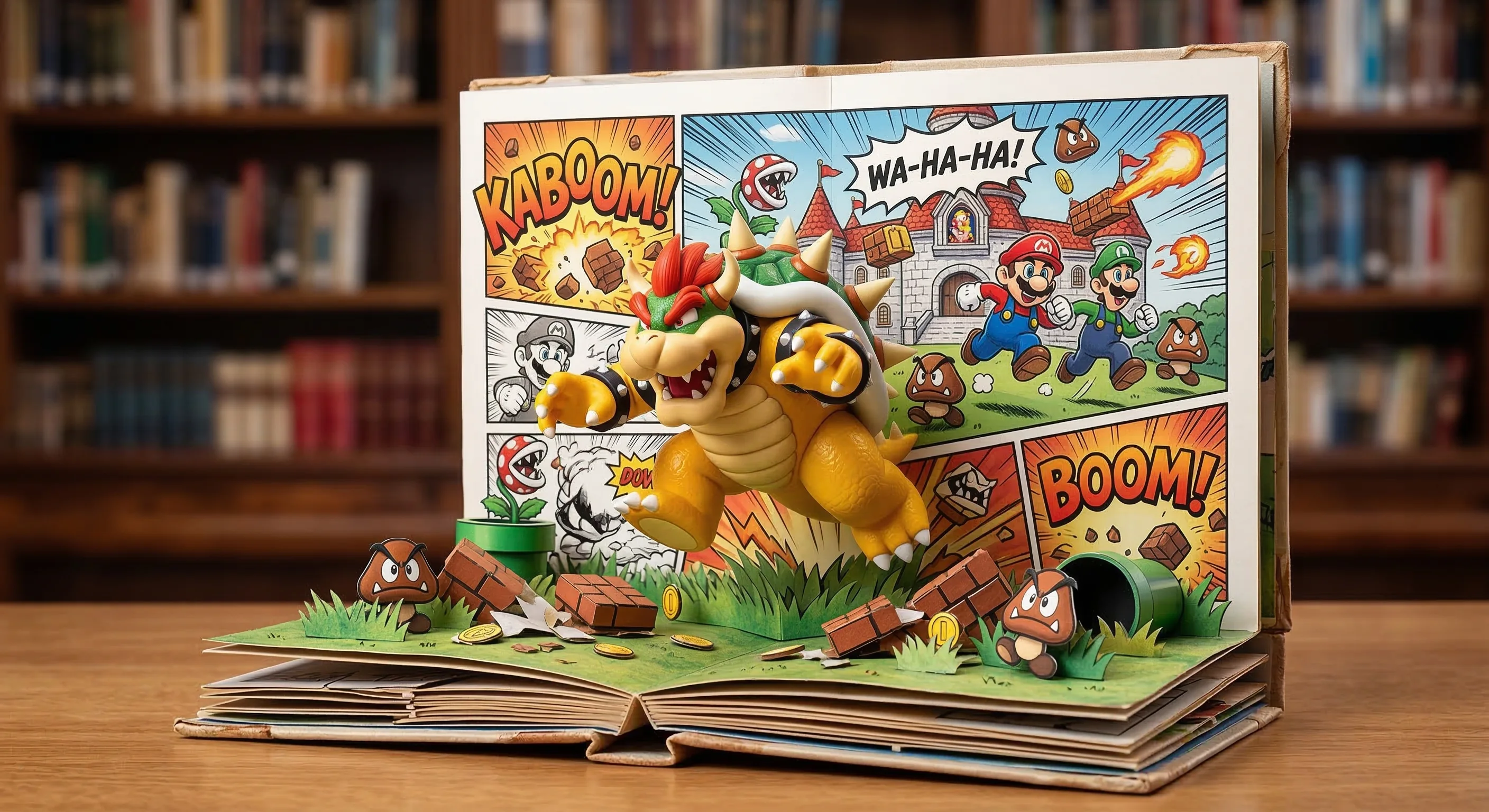
A single character standing at the boundary between their 2D manga origin and the hyper-real 3D world — split by a lightning seam, transforming across the divide.
A subject rising from the page of a spiral notebook — lower body still a pencil sketch, upper body fully realized and escaping into the real world.
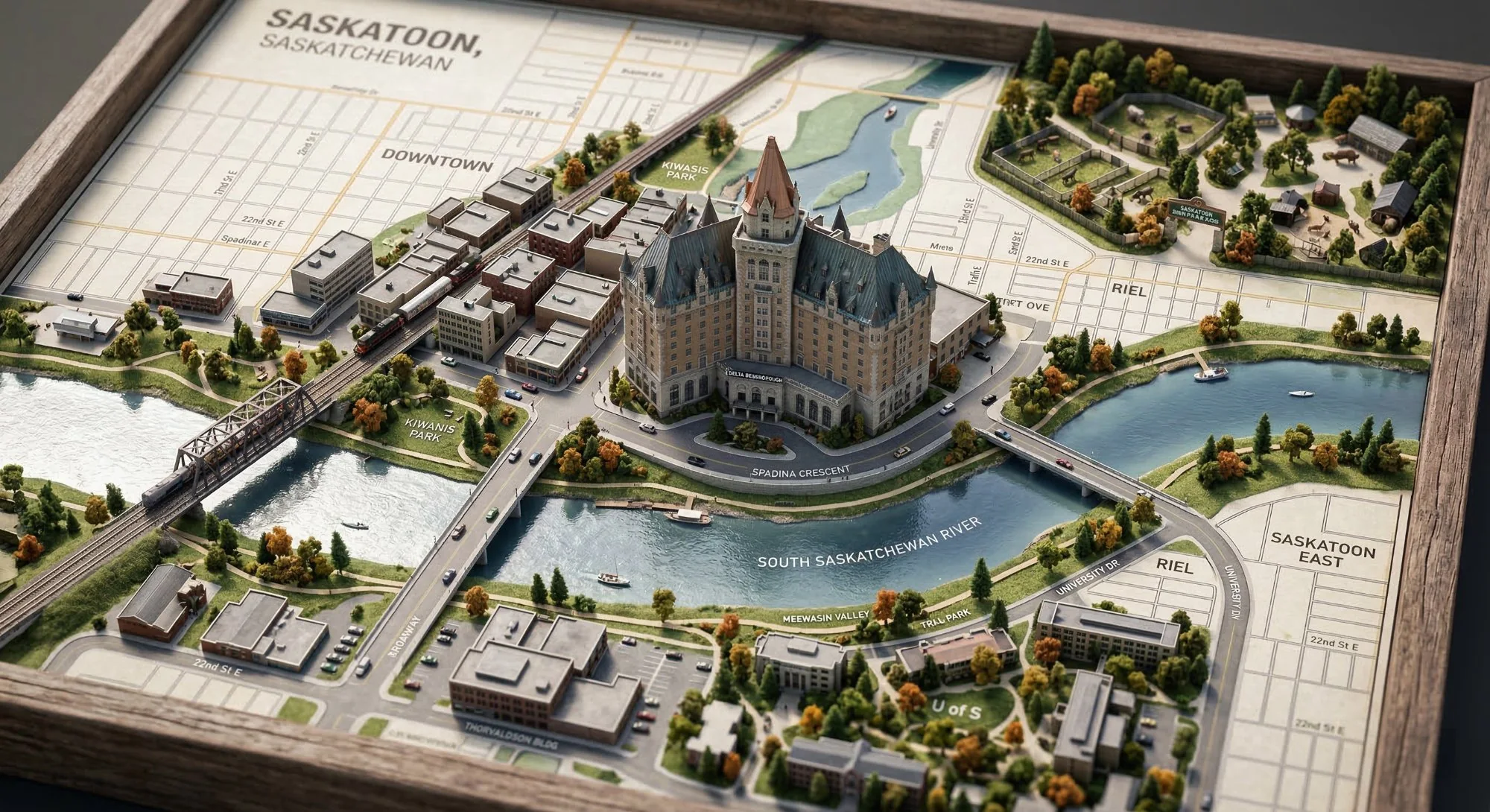
Museum-quality engineering diagrams. Any object, isometrically rendered with transparent cutaway sections, colour-coded flow arrows, and precise annotation callouts.
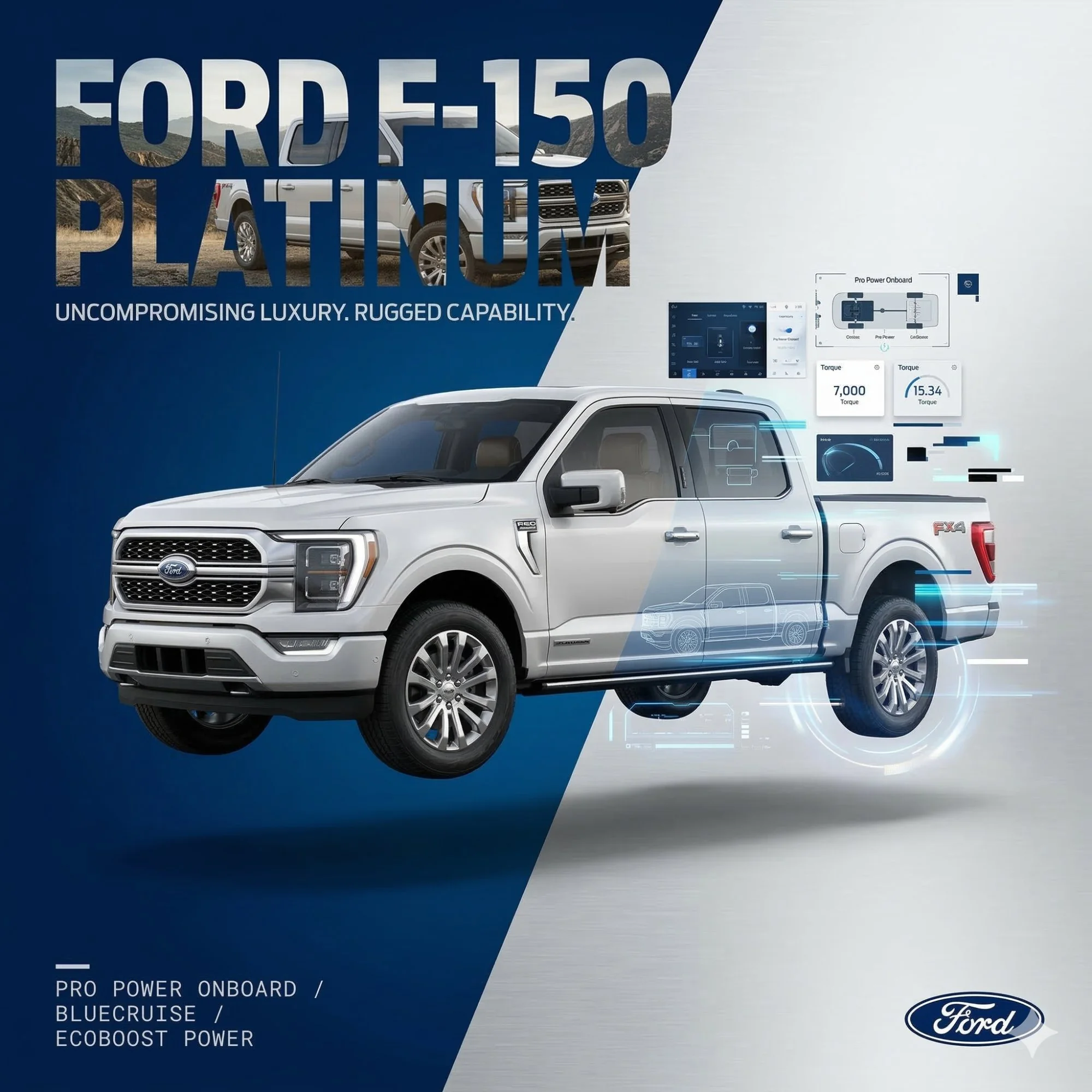
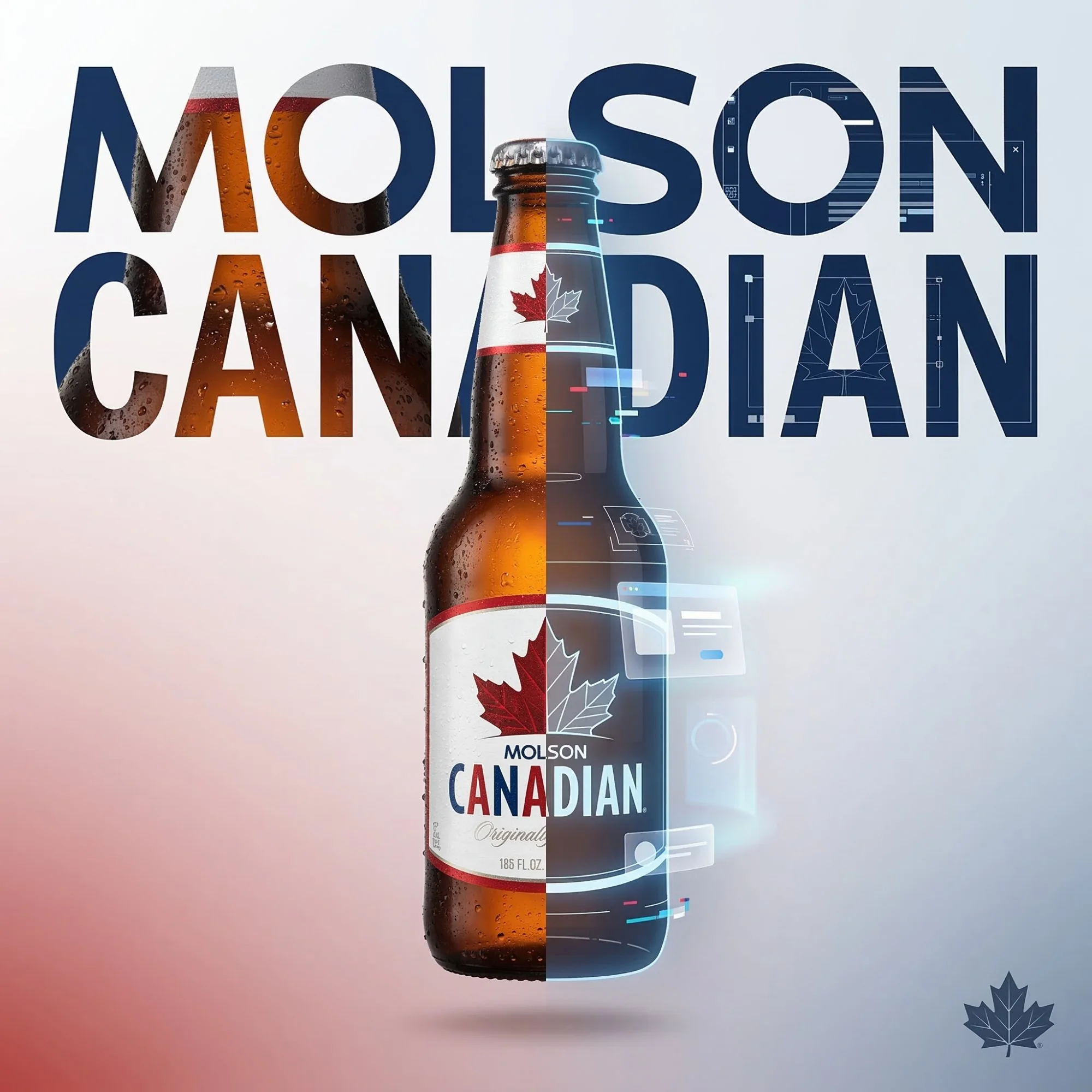
Cinematic 1:1 product showcases — one half photorealistic materials and surfaces, the other half dissolving into the brand's digital ecosystem of UI fragments and schematic geometry.
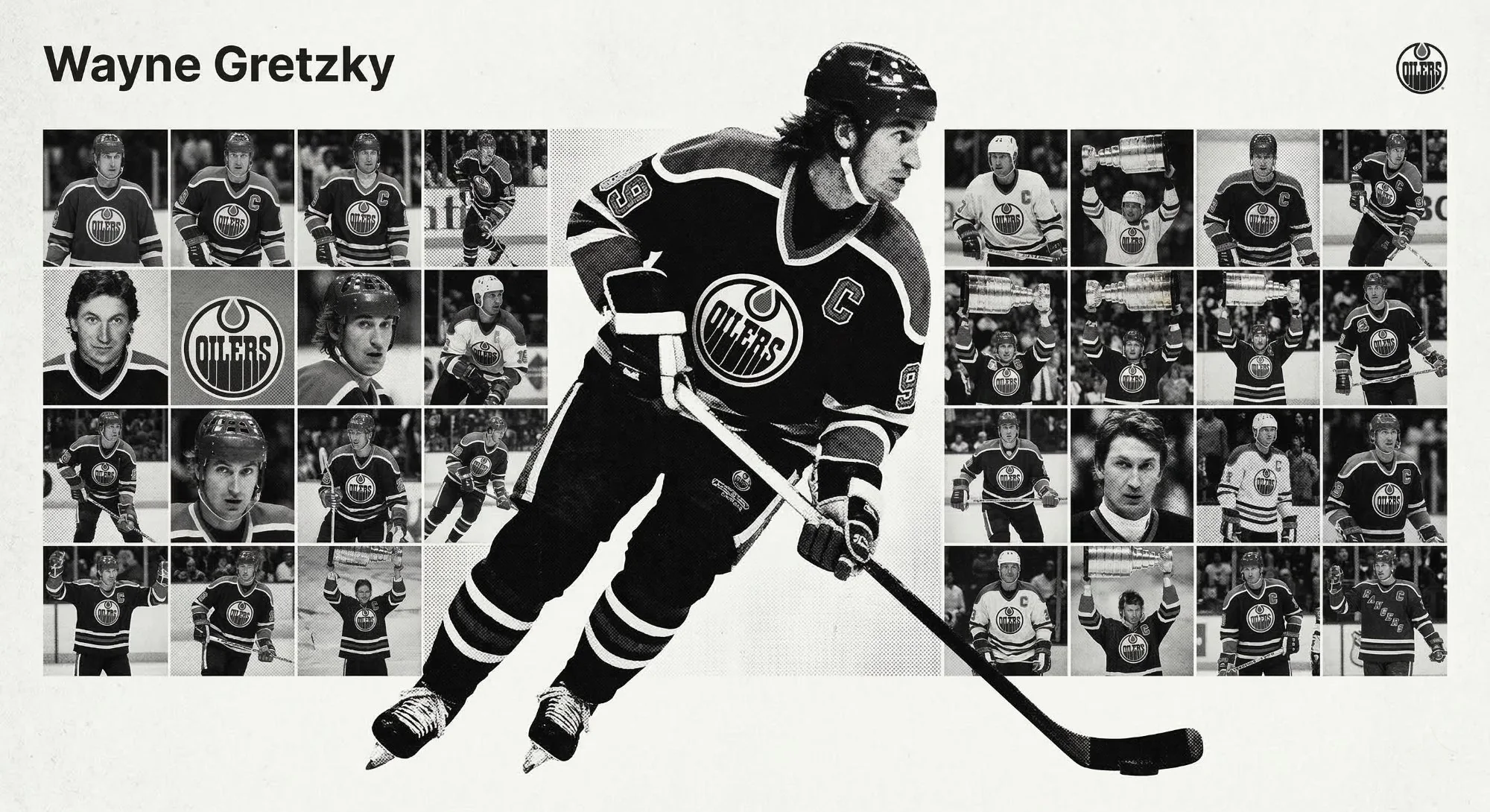
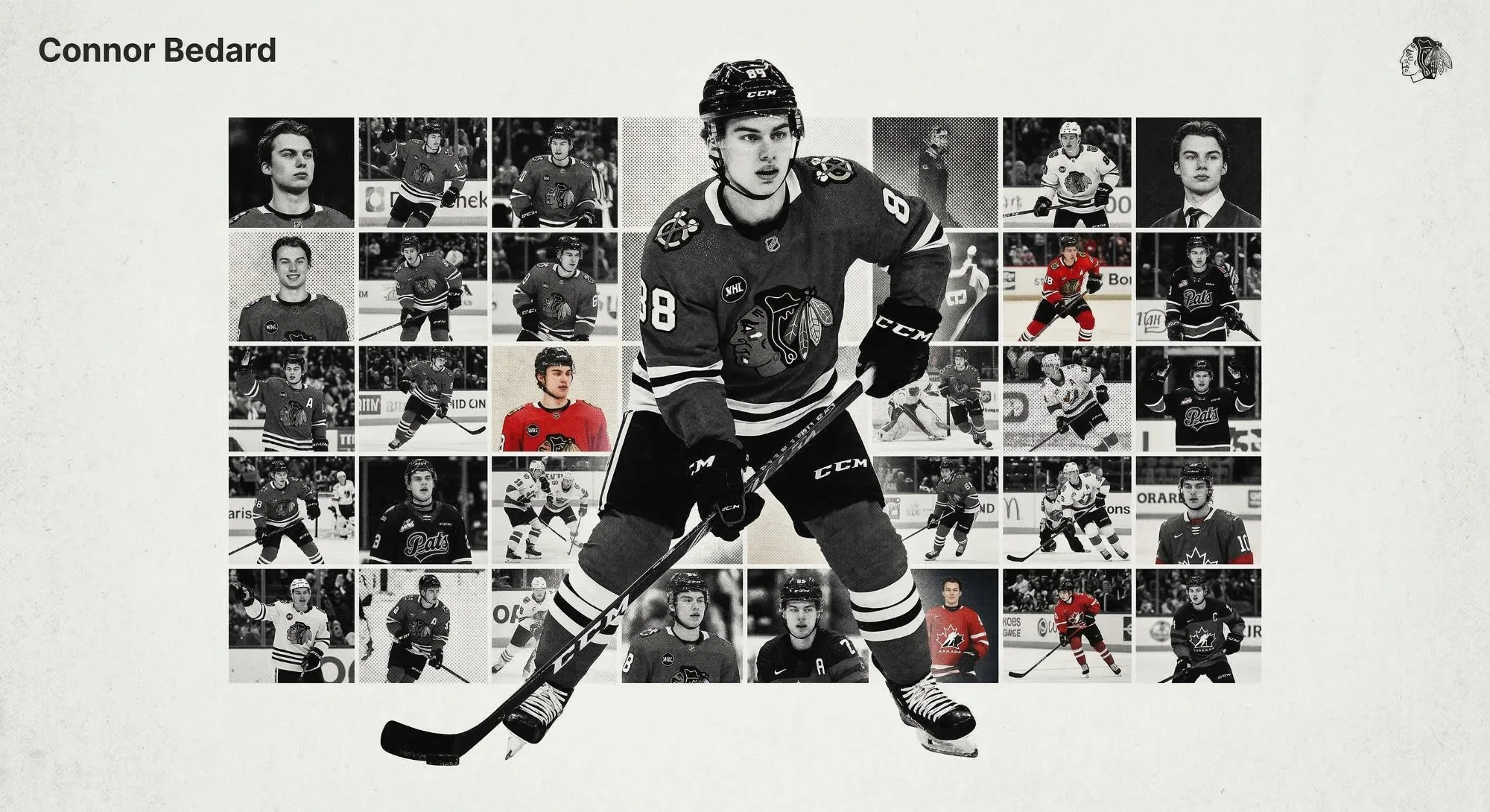
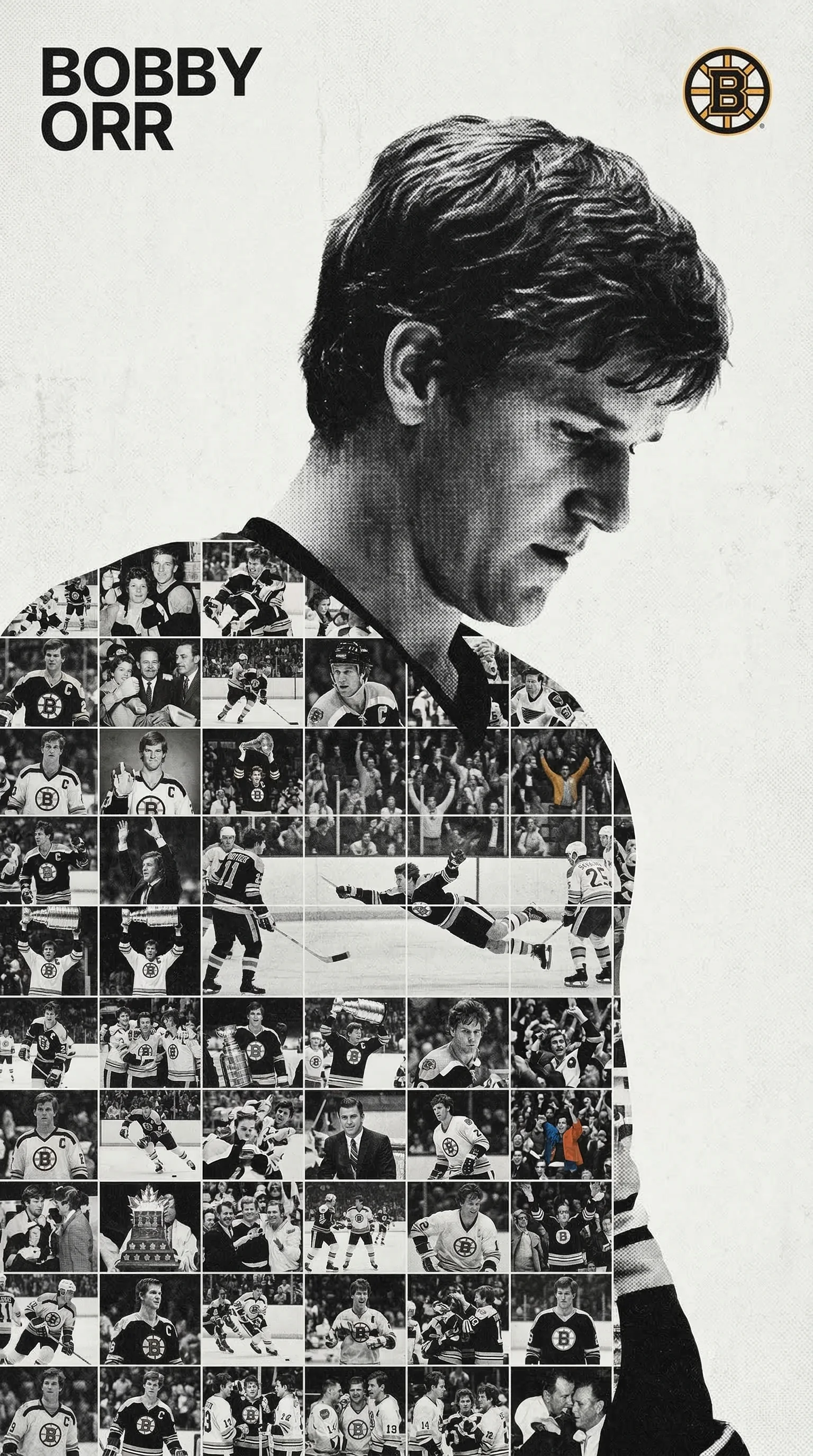
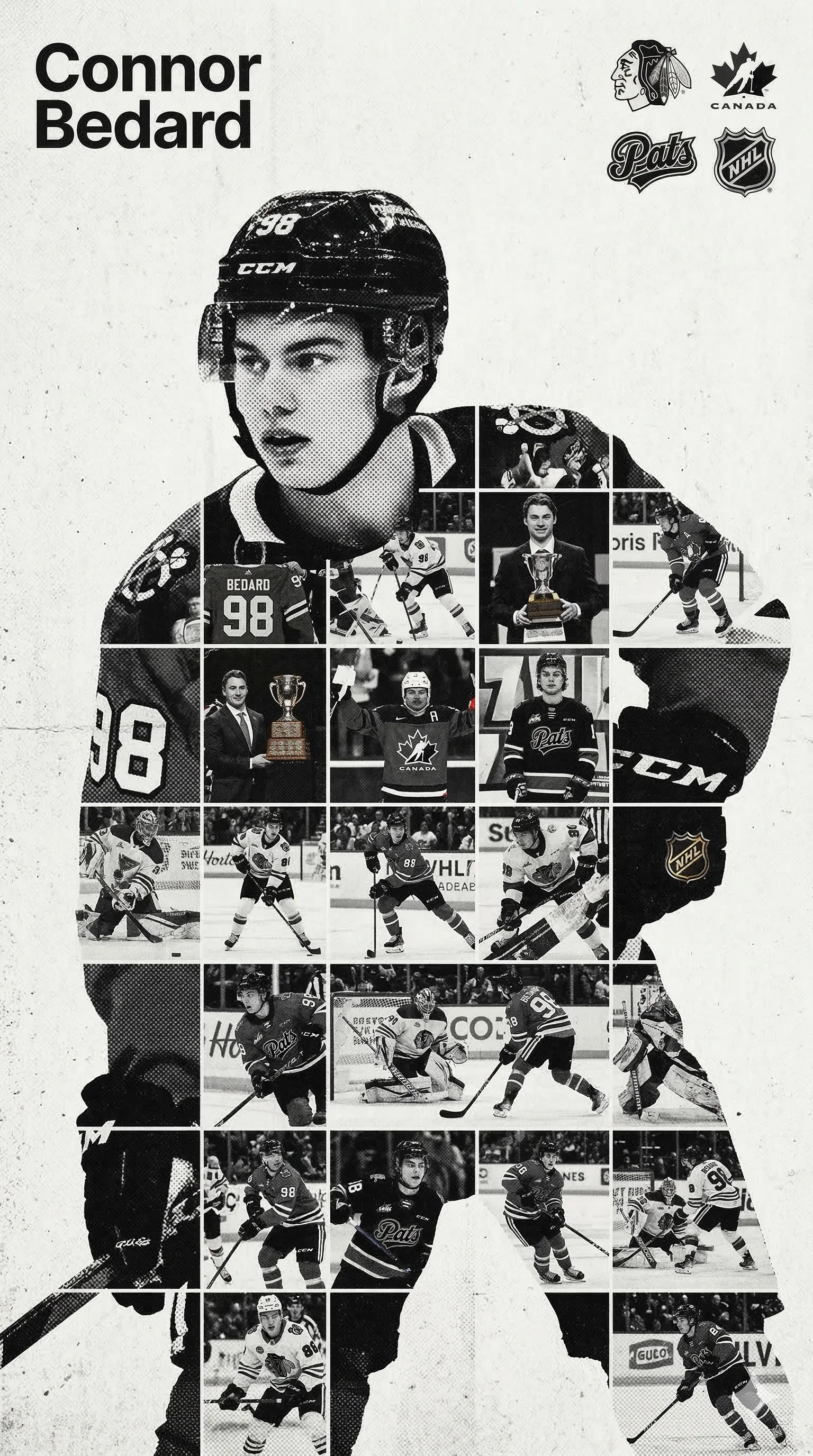
Collectible portrait posters. A large central figure as silhouette container, filled with a dense mosaic of career moments — halftone textures, monochrome grid, with selective colour accents.
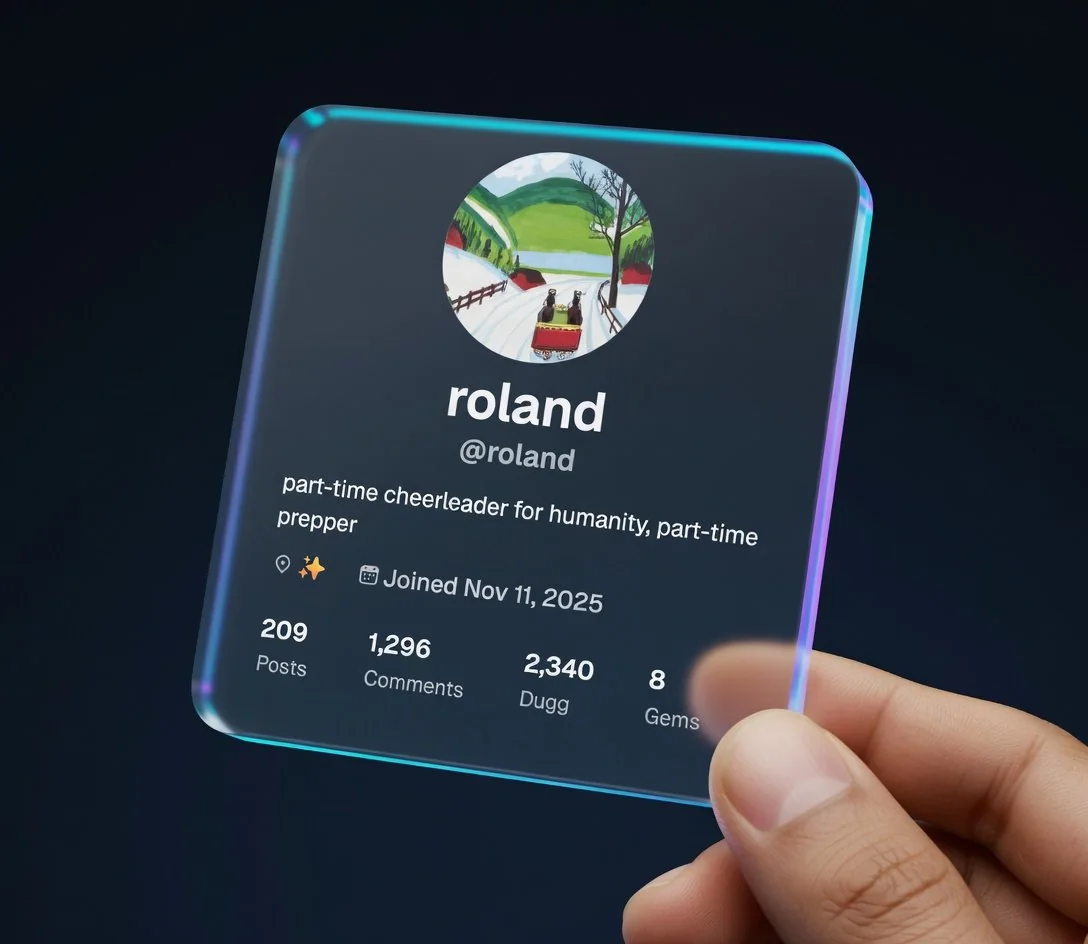
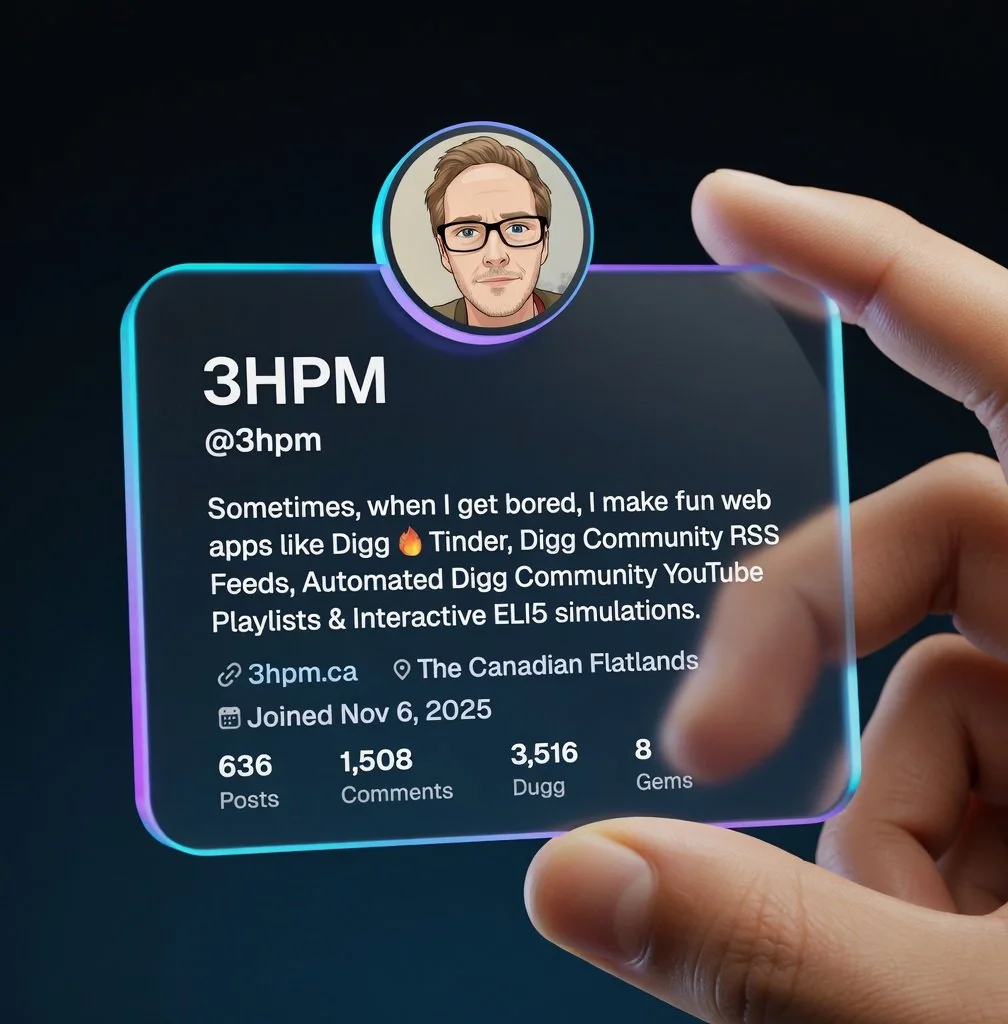
Futuristic acrylic ID badges rendered as 3D objects — crystal-clear glass with neon edge lighting, held between two fingers. A social profile made physical and collectible.
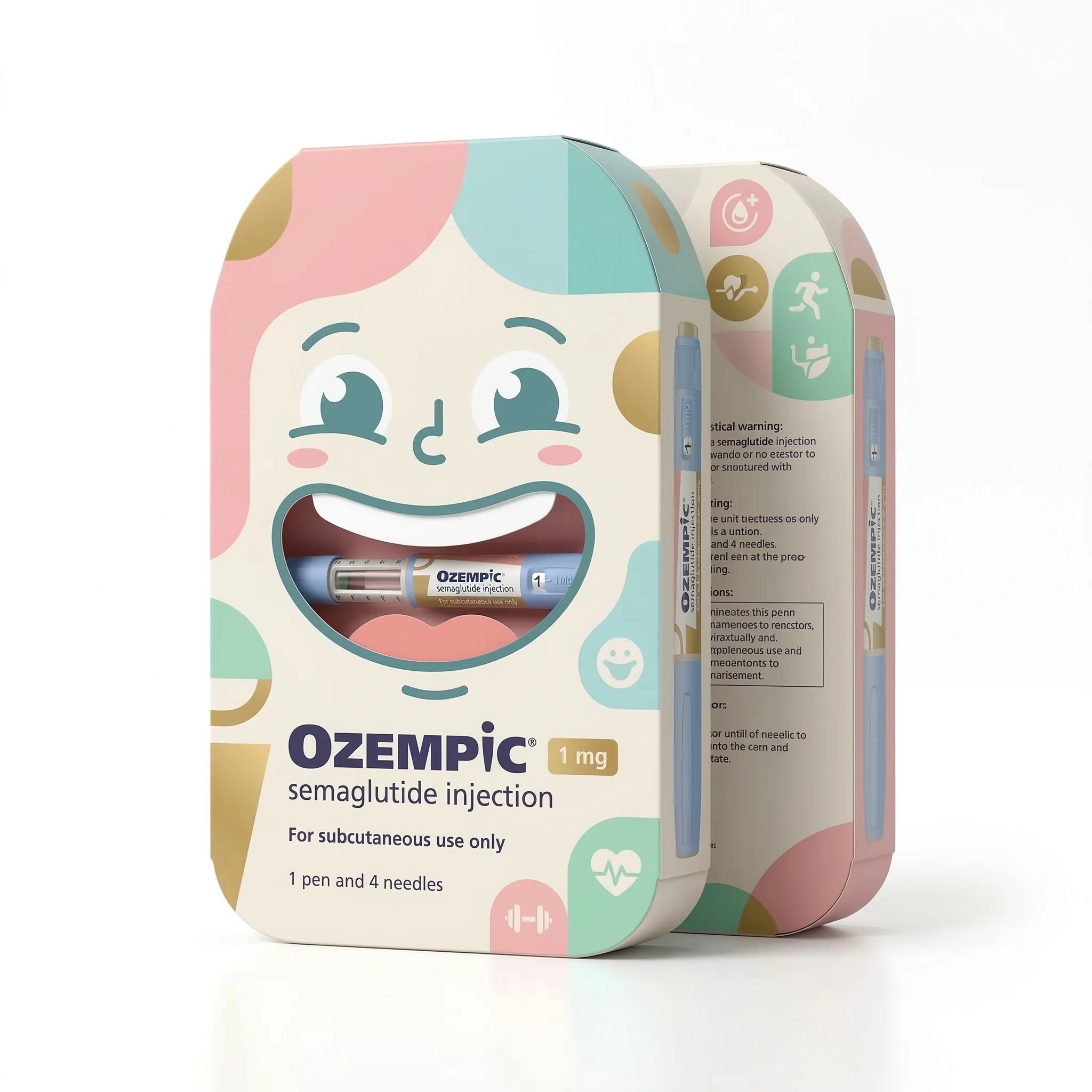
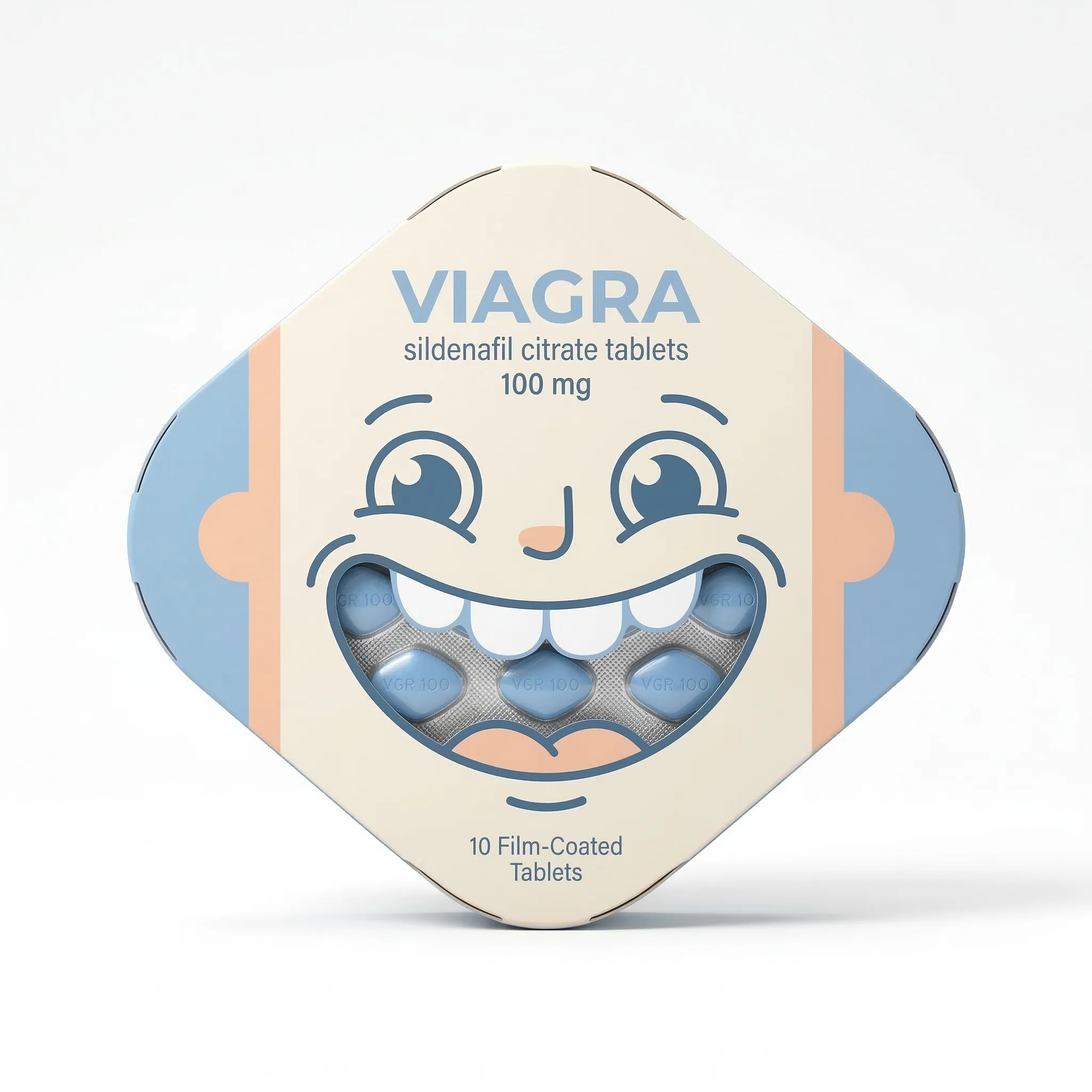
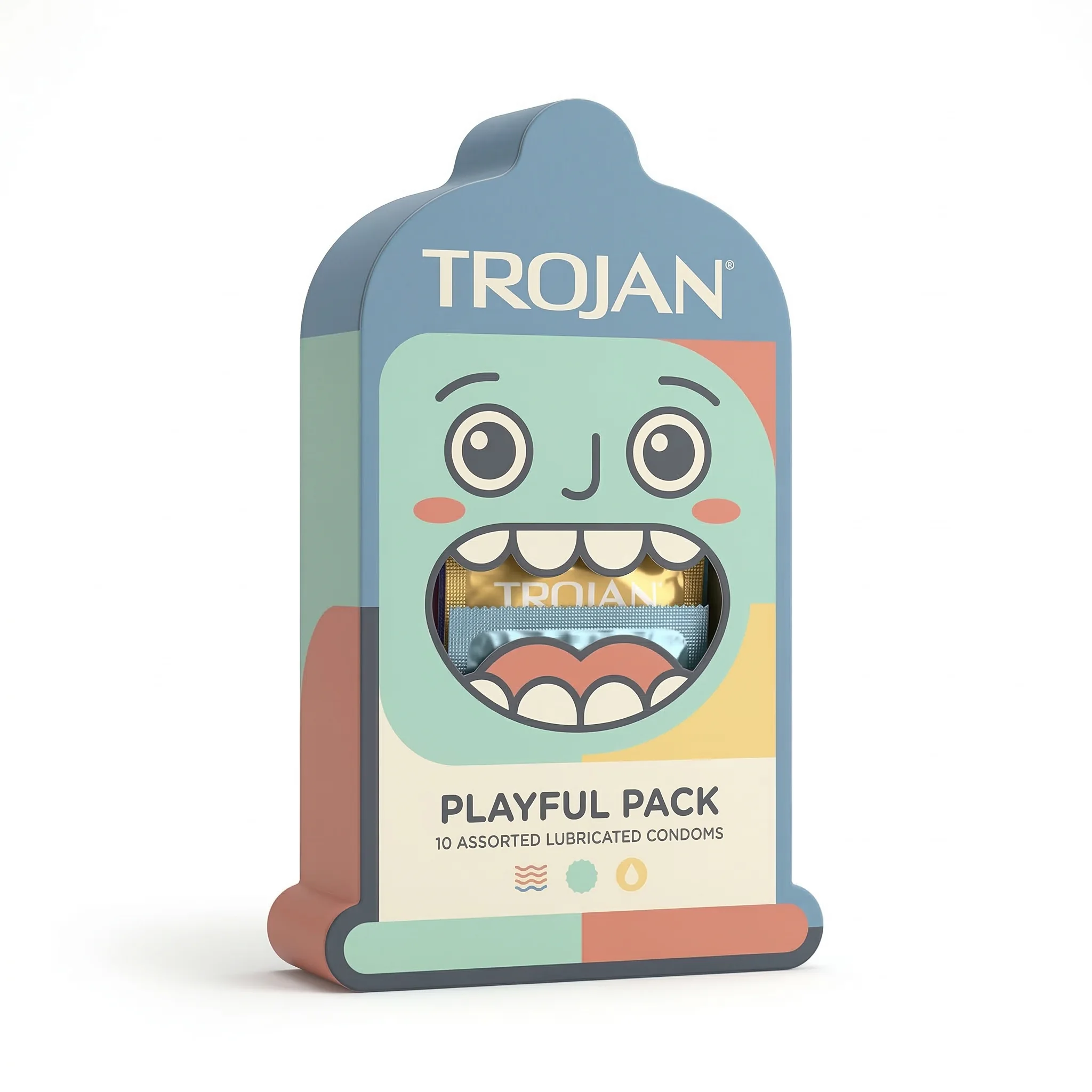
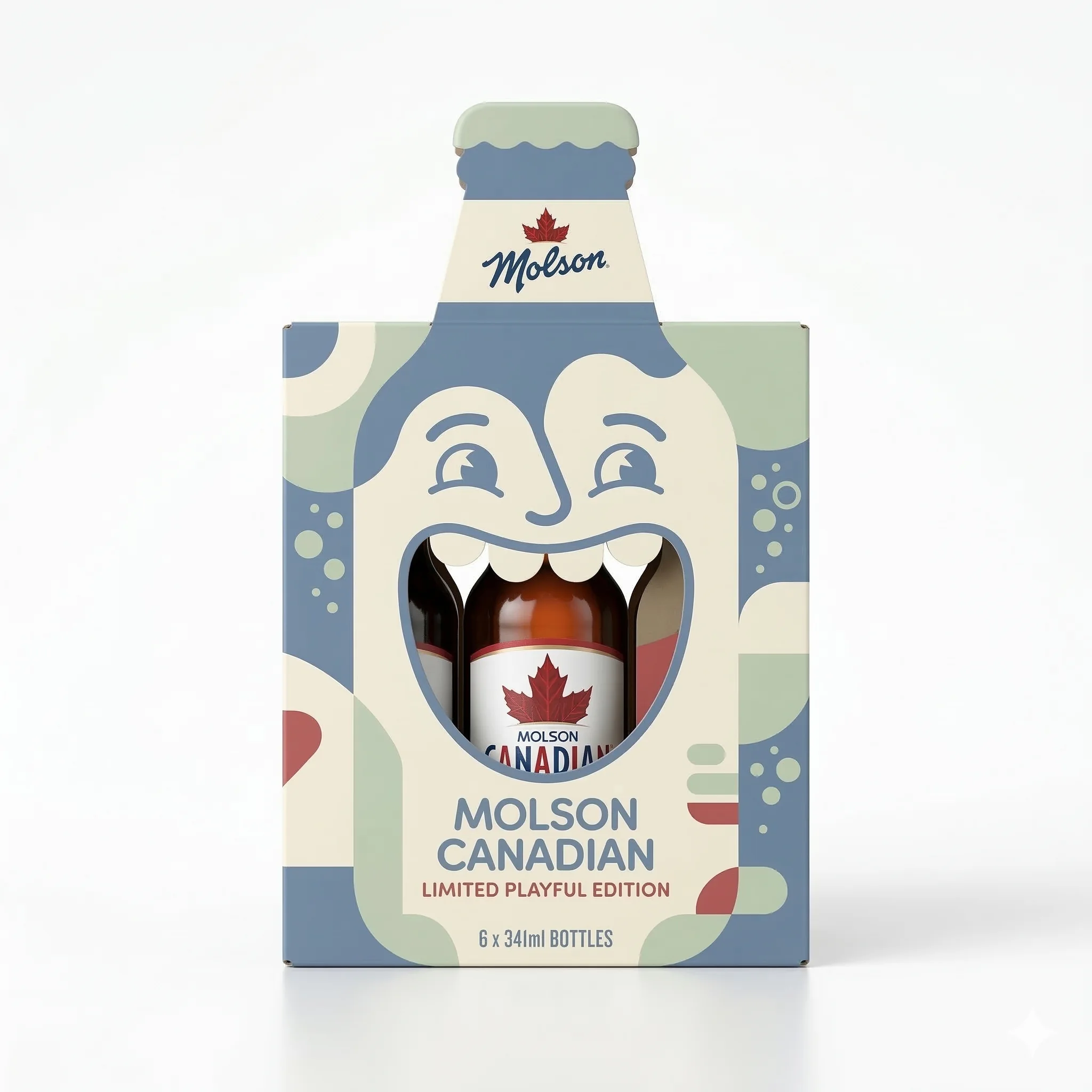
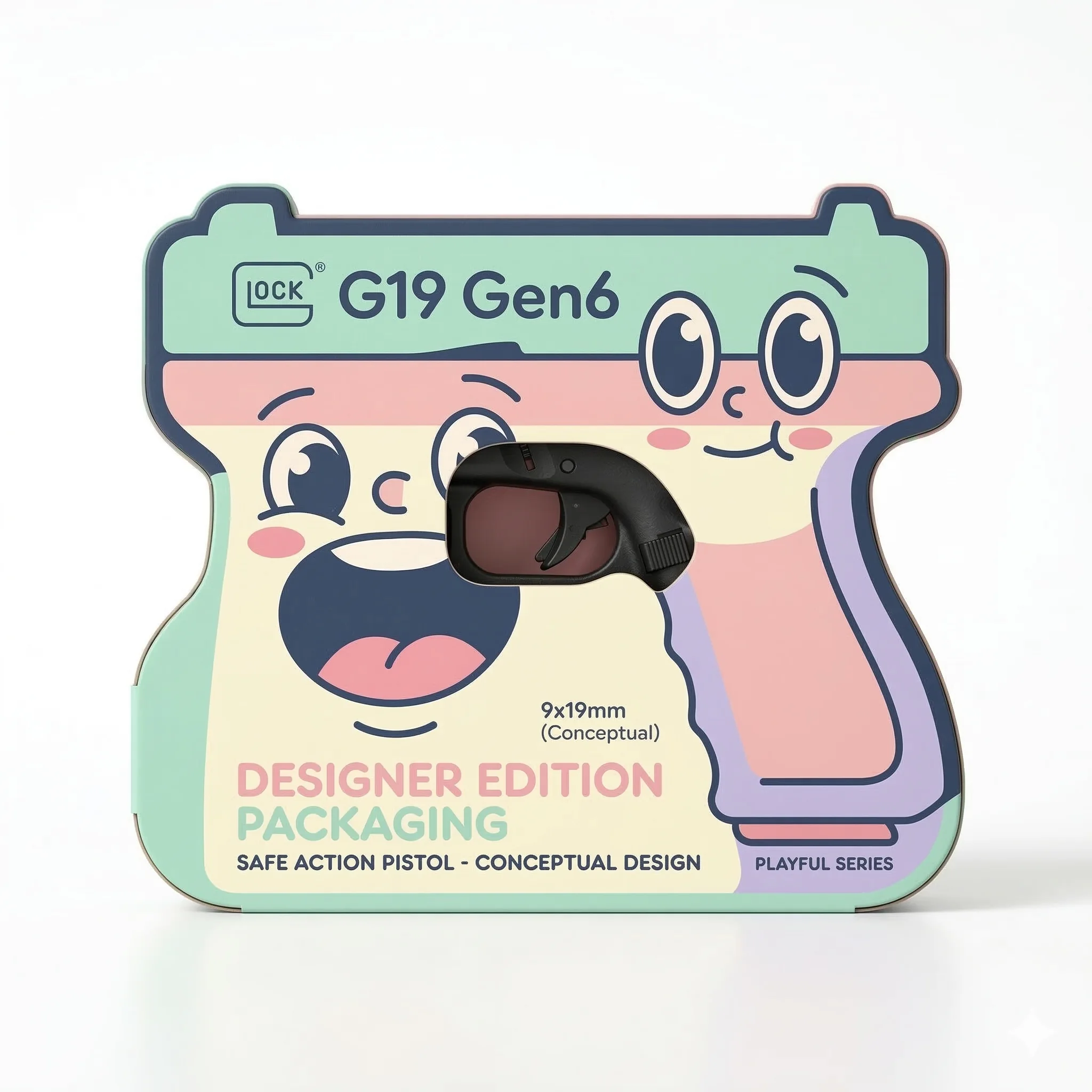
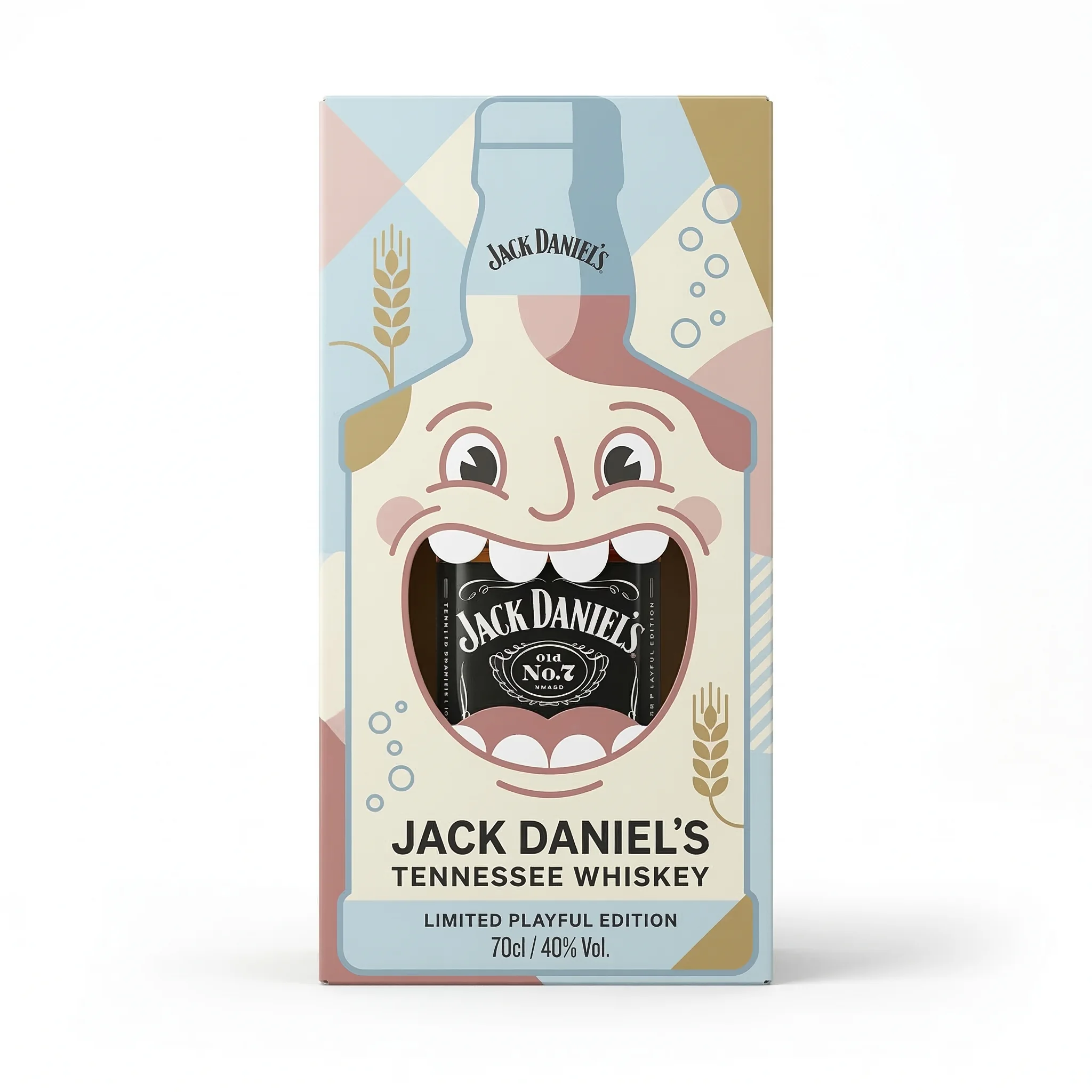
Real products reimagined as limited-edition collectible packaging — each box shaped like the product itself, with a cartoon face and a die-cut window mouth revealing the contents inside.
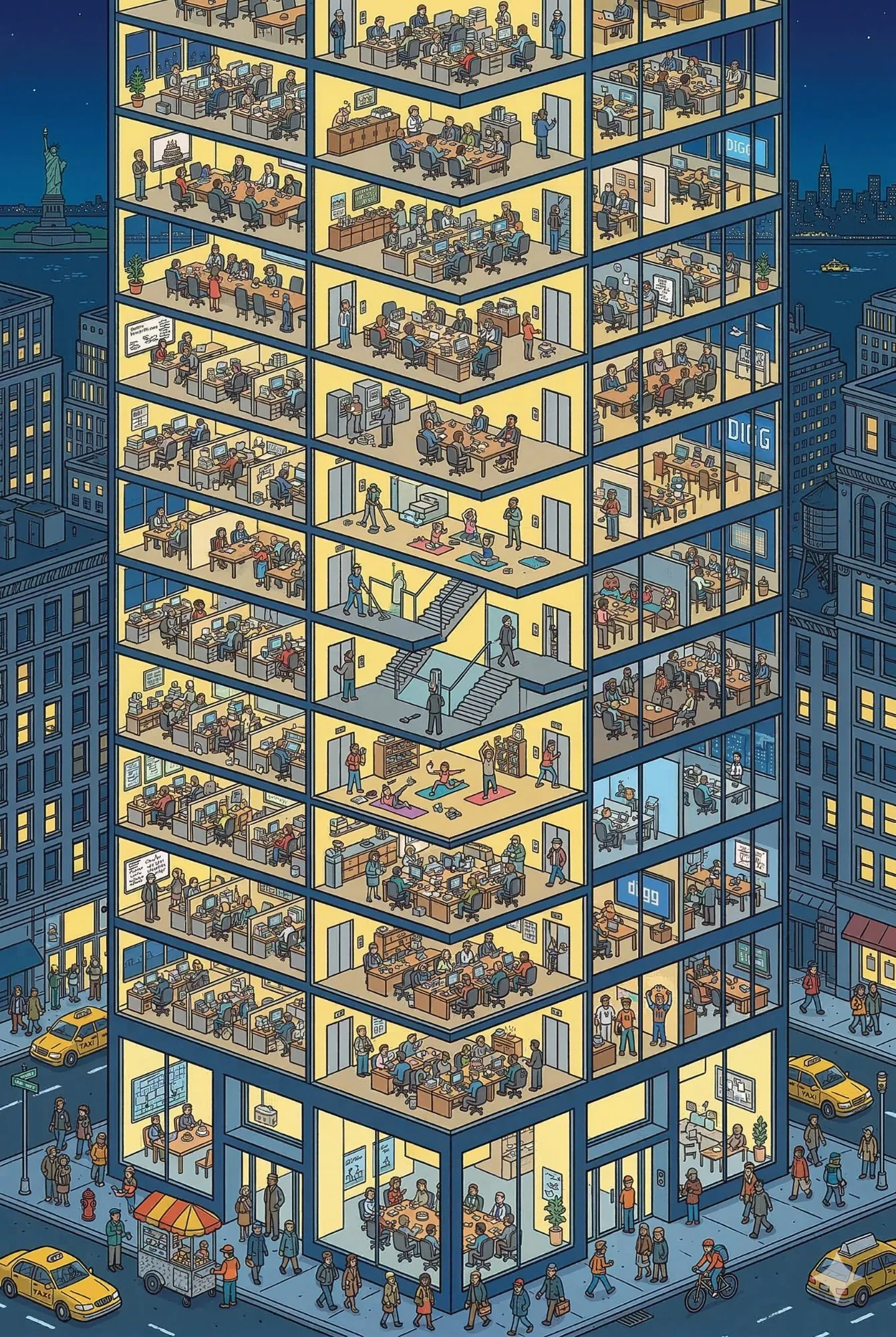
Pieces that don't fit neatly into a series — yet. Including format variants, multi-panel studies, and illustration experiments.
These aren't one-off AI images — they're reusable visual schemas. Each series is a prompt template with defined variables that can be applied to any subject, franchise, product, or person.
The prompt is as much the work as the output. Publishing both is the point — anyone can fork these formats and take them somewhere new.
Tools used: Gemini, Grok, Midjourney, and whatever else is worth testing.